
Best 6-Person Tents of 2026

A six-person tent makes a promise the box can't quite keep: room for six people, their gear, and a dry place to sit out a storm. In practice, six usually means four comfortably, and the shortfall shows up at 2 a.m. when someone's air mattress is pressed against a damp wall. I've spent the past eight months pitching 11 of these tents, in my own backyard, on a windy high-desert weekend, and through a storm that left the ground looking like a shallow pond.

The lesson from all those nights is that setup speed, packed weight, and weather protection pull against each other. A tent one person can throw up in five minutes tends to save that time somewhere: thinner poles, a lighter floor, a rainfly that needs every stake to stay taut, a door zipper that catches at the corner. The tents below are the ones that struck the best balance for what they cost, and the ones I'd hand to a friend headed out for a long weekend.

1

Best Overall

Kelty Wireless 6

85 /100
Angler Score Excellent

Key details

Floor
117 in x 106 in
Weight
19.8 lb
Peak Height
74 in
Doors And Vestibules
2 / 2
Check Details on Amazon

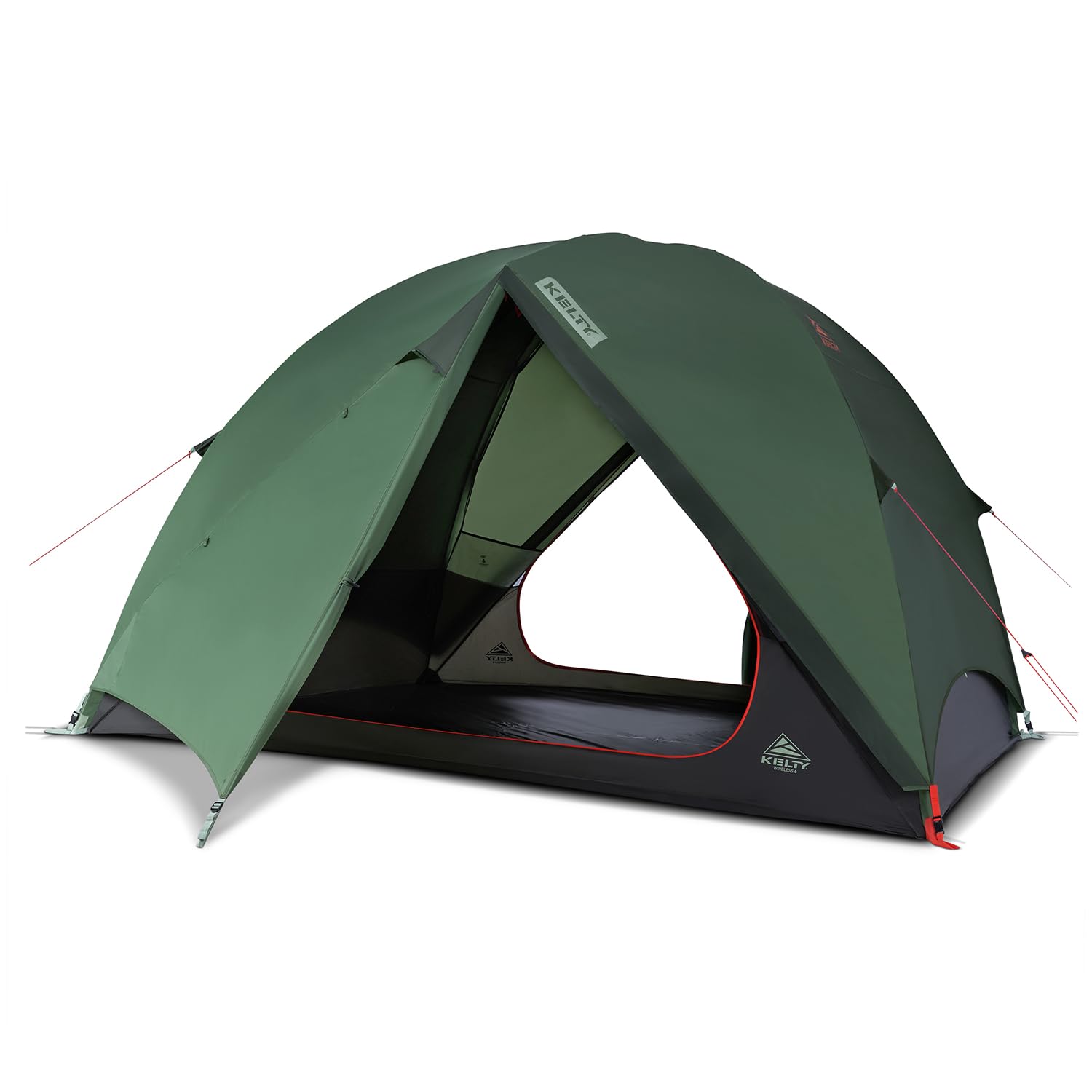
Two doors and two vestibules is the layout that decides this one. Put six people behind a single entrance and every midnight trip becomes a climb over sleeping bags; put their duffels in the same space and nobody has room to turn over. The Wireless 6 splits it properly: a door at each end, each with its own covered vestibule, so gear lives outside the sleeping area and the sleeping area stays a place to sleep. At 117 by 106 inches with a 74-inch peak, it is a tent adults can stand up in, and standing up to change clothes is the difference between a trip and an ordeal.

The weather side is just as considered. Kelty rates the fabric at 1200 mm and gives you a full-length fly rather than a cap, so the walls are covered when the weather turns, not just the roof. On clear nights the fly comes off and the tent is mostly 40-denier no-see-um mesh with a wide view of the stars, which is the version of this tent we prefer in July. Pre-attached guylines and a stuff sack with room to spare are the kind of finishing that only shows up on the second trip, when you are packing up in the rain.

What you pay for is the layout and the finishing: two entrances, two gear rooms, and hardware that does not send you back to the car. If two doors and standing height are not worth a premium to you, the Clostnature below does a similar job for a lot less money.

Pros

  • Two doors and two vestibules keep six people civil
  • 74-inch peak lets adults stand to dress
  • Full rainfly comes off for mesh-and-stars nights
  • Pre-attached guylines and a quick-corner pitch

Cons

  • Fiberglass poles are the weak link
  • 19.8 pounds keeps it at the car
Our verdict

This is the one we tell families to buy: two doors, two vestibules and standing height turn six people in a tent into a workable morning.
Check Latest Price
2

Best Value

Clostnature 6-Person

90 /100
Angler Score Outstanding

Key details

Floor
118 in x 118 in
Peak Height
71 in
Waterproofing
PU 5000
Doors And Vestibules
2 / 2
Check Details on Amazon

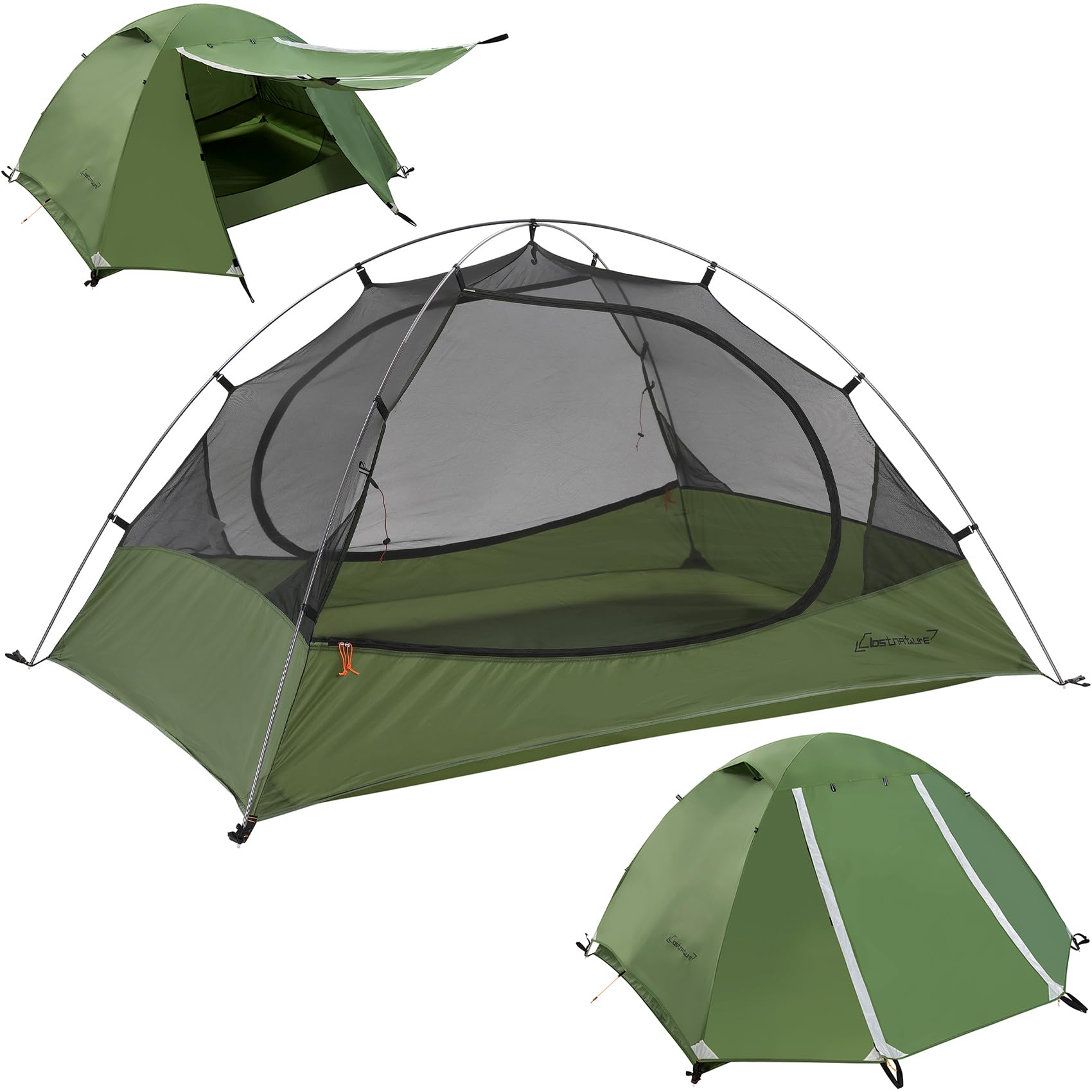
Our value pick costs a good deal less than the Kelty and, on paper, beats it in the two places that matter: a 118-inch-square floor instead of a rectangle, and a 5000 mm polyurethane coating on the fly, floor and bathtub, the heaviest waterproofing in this group.

Clostnature calls this a backpacking tent, which is generous. The 6-person version is a 118-inch square standing 71 inches at the peak, built on two aluminum poles with clips rather than sleeves, and it has two doors with a vestibule each. That is a car-camping tent made with backpacking materials, and it is a combination we like: the bundle is smaller than the cabin tents here, the listed minimum trail weight is 11 pounds, and the pitch is a two-pole job that does not need a second read of the instructions.

Two doors at this price is the detail we keep coming back to. In a six-person tent a second door is not a luxury; it is the difference between a calm morning and a queue, and opening both ends gives you a cross-draft when the tent has been sitting in the sun all afternoon. If you camp in sheltered sites and mostly sit rather than stand, this is the smartest money in the guide.

Pros

  • Two doors and two vestibules at a value price
  • 5000 mm coating is the heaviest waterproofing here
  • 118-inch square floor takes six pads without a squeeze

Cons

  • Two-pole frame is the durability risk
  • 71-inch peak stops short of standing height
Our verdict

For families who camp in sheltered sites and want two doors without the premium: this is the value pick, with the heaviest waterproofing in the group.

Check Latest Price
3

Fastest Setup

FanttikOutdoor Zeta C6 Pro

89 /100
Angler Score Excellent

Key details

Floor
120 in x 108 in
Setup
Instant, pre-attached poles
Weight
19 lb
Peak Height
66 in
Check Details on Amazon

The Zeta goes up the way an instant tent is supposed to: unclip the bag, spread the floor, push the pre-attached pole assemblies up until the joints lock, then stake it out. No loose poles, no sleeves to thread, no color-coded diagram to decode at dusk. We rate it the fastest pitch in this group and, more to the point, the least dependent on having done it before.

The cabin shape does the rest. A 120-by-108-inch floor takes two queen air mattresses with a strip of floor between them, and the near-vertical walls mean the space at the edges is usable rather than a wedge you cannot put a bag in. Four mesh windows and a mesh ceiling make it one of the airier tents here, and the 1500 mm fly adds a drainage channel at the door sill, a small thing that keeps a wet entry from becoming a wet floor.

Where it gives ground is height: a 66-inch peak means most adults dress sitting down. We also noted a door zip that catches the storm flap unless you hold the flap clear, a habit worth forming on the first night rather than the third. For a weekend tent that goes up in a minute, that is a fair set of compromises.

Pros

  • Fastest pitch in this group
  • 10-by-9 floor takes two queen airbeds
  • Four windows and a mesh ceiling vent heat
  • 1500 mm fly with a drainage channel at the door

Cons

  • Single door for six sleepers
  • Steel poles can snap under load
Our verdict

For weekend trips where pitching is the chore you dread, this is our pick: an instant frame, a 10-by-9 floor for two airbeds, and a low roofline to live with.

Check Latest Price
4

Best for Tall Campers

UNP 6-Person Cabin

89 /100
Angler Score Excellent

Key details

Floor
120 in x 108 in
Weight
17.8 lb
Peak Height
78 in
Mesh Windows
5
Check Details on Amazon

Seventy-eight inches of peak height is the number that sells this tent. That is six and a half feet of headroom for less money than anything else here, and it changes how a family uses a tent: you can stand to pull on trousers, lift a toddler into a sleeping bag without kneeling on someone, and get dressed without a gymnastic warm-up.

The rest is conventional and mostly well judged. The floor is 120 by 108 inches, the shell is 185T polyester with a coated floor, and the ventilation is among the best here: five mesh windows plus a mesh top, which is what keeps a six-person tent from becoming a condensation chamber on a cold morning. It weighs 17.8 pounds, packs into a bag about two feet long, and uses steel poles that go up quickly for a conventional frame.

The zipper is the part to watch. It is a single slider on a long curve, and it grabs the waterproof flap if you pull at an angle; ease the slider around the corner with the flap held clear and it behaves. Given the headroom and the money, that is a habit we are happy to form.

Pros

  • 78-inch peak lets adults stand to dress
  • Lowest price in this group
  • Five windows and a mesh top vent well

Cons

  • One door for a tent this size
  • Rain performance is inconsistent in storms
Our verdict

If headroom is what you are missing, buy this one: six and a half feet at the peak for the least money here, with a single door and a zipper to be gentle with.

Check Latest Price
5

Best Midrange Dome

Coleman Skydome 6

84 /100
Angler Score Excellent

Key details

Doors
1 wide
Floor
10 ft x 8.5 ft
Setup
Pre-attached poles, under 5 min
Peak Height
6 ft
Check Details on Amazon

For the family that wants a five-minute pitch without an instant-tent frame, this is the Skydome. The poles arrive pre-attached at the corners, the body clips on rather than threading through sleeves, and Coleman's own figure is under five minutes, a number that holds once you have done it twice.

What earns it a place is the detailing at the middle of the price range. WeatherTec welds the corners and inverts the seams, the two places a cheap dome leaks first, and the frame is rated to 35 mph. Add nearly vertical walls for 20% more headroom than a traditional dome and a wider door that takes an air bed without folding it in half, and you have the best seam construction in this group below the premium tier.

Six feet at the peak is the constraint. If your tallest camper is 5-foot-9, that is plenty; if someone is 6-foot-3, they will stoop and the UNP above is the better answer. Otherwise it is a lot of tent, 10 by 8.5 feet under a 6-foot ceiling, for the money.

Pros

  • Welded corners and inverted seams at the leak points
  • Wide door swallows an air bed unfolded
  • Pre-attached poles make a five-minute pitch
  • Nearly vertical walls keep the headroom usable

Cons

  • Pole ends are hard to pull from the base sockets
  • Poles can splinter under load
Our verdict

Our mid-price pick: a five-minute pitch, welded seams and a door wide enough for an air bed, provided nobody in the family is tall.

Check Latest Price
6

Gear-Heavy Families

Coleman Skydome 6 with Porch

77 /100
Angler Score Very Good

Key details

Weight
19.3 lb
Peak Height
6 ft
Screened Porch
10 ft x 4 ft
Airbed Capacity
2 queen airbeds
Check Details on Amazon

The porch is the whole argument for this one. A 10-by-4-foot screened room hangs off the front of the Skydome, and that is where the boots, the cooler, the camp chairs and, on a wet afternoon, the children end up: outside the sleeping area but still under cover.

It is a better arrangement than it sounds. Six-person tents usually lose a quarter of their floor to gear; here the sleeping half stays a sleeping half that fits two queen airbeds, and the porch gives you somewhere to sit out a shower without retreating to the car. It goes up on the same pre-attached pole frame as the standard Skydome, so the porch does not add a second tent's worth of work.

The mesh is concentrated in the porch, and the sleeping half has almost no windows of its own, so the inner tent sits warm on a still, muggy night. Pitch it with the porch facing whatever breeze there is and it is noticeably better.

We keep it in as the pick for gear-heavy families and wet-weather trips, because the porch is the feature you use every hour rather than the one you use twice. If that is not your trip, the standard Skydome does the same job for less.

Pros

  • 10-by-4 screened porch keeps gear out of the bedroom
  • Sleeping half fits two queen airbeds
  • Pitches in under five minutes on pre-attached poles

Cons

  • Costs more than the standard Skydome
Our verdict

For families whose gear never fits, this is the one: a screened porch that keeps boots, coolers and children out of the sleeping area.

Check Latest Price
7

Extra Elbow Room

Amazon Basics 8-Person

89 /100
Angler Score Excellent

Key details

Floor
180 in x 108 in
Weight
18.7 lb
Peak Height
70 in
Rated Capacity
8 person
Check Details on Amazon

Fifteen feet by nine is a different class of tent. This is the 8-person version of the Amazon Basics dome, and it is the size-up play in this group: room for two queen airbeds end to end, or four cots in a row with a corner left for duffels.

The build is plain and sensible: aluminum poles, sleeves rather than clips, a removable rainfly with welded seams, a back window, a cool-air port and a storage net overhead. Eight minutes is the listing's own setup figure, and sleeves are why it is minutes rather than seconds; the 70-inch peak is sitting-up headroom, not standing room.

The trade is refinement for floor. Six people in 135 square feet feel like six people in a small apartment rather than a can of sardines, which is exactly the point of buying this large, and it stays a car-camping tent rather than a packable one. We see it as the pick for a big group, two families sharing a site, or anyone who has done the airbed arithmetic and decided floor area beats a second door.

Pros

  • 15-by-9 floor is the largest in this group
  • Welded seams and a removable rainfly
  • Storage net and a hanging point overhead
  • Aluminum poles rather than fiberglass

Cons

  • Door zipper catches in the flap
  • Rain protection is light-rain grade
Our verdict

When everyone needs elbow room, this is the tent: the largest floor in the group, with a plain build and a fair-weather fly.

Check Latest Price

How We Tested the Best 6-Person Tents

We started by pulling every six-person tent we could find that was genuinely freestanding, shipped with a full-coverage rainfly, and packed small enough and light enough that one person could wrestle it out of a trunk alone. That filtered a long list down to 11 tents, which we then used the way a real trip uses a tent rather than the way a showroom displays one.

Setup was timed with a stopwatch from the moment the bag opened to the last stake, first in daylight and again after dark with a headlamp, solo and then with a second pair of hands. On three car-camping weekends, one clear, one with steady rain, and one where gusts flattened the rainfly against the roof, we slept inside on air mattresses with coolers and duffels stacked around us and noted whether the advertised sleep count left room to move or just room to lie still. We also laid out six sleeping pads and checked the leftover floor space and the headroom over someone kneeling to change clothes.

For rain protection, we ran a hose over each rainfly for ten minutes and then looked for water beading at the seams, tracking down the poles, or pooling where the floor met the wall. Doors and windows got opened and closed dozens of times, including one-handed from inside in the dark, watching for snags at the corners and fabric caught in the teeth. We checked stitching and corner webbing for strain, timed takedown to see whether poles slid free of their sleeves or fought them, then weighed every packed tent on a luggage scale before carrying it 50 yards to the car.

How to Choose a 6-Person Tent

Do the airbed math first

A queen airbed is 60 by 80 inches, so two side by side need 120 inches of width. A 9-foot-wide tent takes them only edge to edge, with no floor left for bags or a place to stand. That is why we read floor dimensions before the capacity badge. Ten by nine feet is the practical minimum for six people with gear, which is where the Kelty and the Clostnature both land.

Peak height is the other half of comfort: under 6 feet you dress sitting down. A cabin-style tent with near-vertical walls also gives you more usable room at the edges than a dome of the same footprint, which matters once six sleeping bags are on the floor.

Read the waterproofing, then read the fly

Two things tell most of the story: the coating's hydrostatic head and how much of the tent the fly covers. A 1200 mm fly is a three-season rating; the Clostnature's 5000 mm coating is the heaviest here and the one we want under a wet forecast. Coverage matters as much, because a fly that stops at the roof leaves the walls to fend for themselves, and a bathtub floor that turns up several inches beats a flat sheet at ground level.

Welded corners and inverted seams at the pole contacts decide where a leak starts. If you camp in serious weather rather than the occasional shower, a tarp rigged over the whole tent does more than any coating.

Match the frame to how you pitch

Instant tents have the poles sewn in: unfold, extend until the joints lock, stake out. That is the FanttikOutdoor's whole appeal, and it is the system that forgives arriving after dark. Clip-on domes like the Coleman Skydome take a few minutes more and tolerate a slightly bent pole; sleeve-threaded tents like the Amazon Basics take longest and want a second pair of hands in any wind.

Whatever the box claims, the stopwatch figure covers the frame, not stakes and guylines. A 6-person tent is a big sail, so budget a few extra minutes to guy it out properly unless you want to meet it again at 2 a.m.

Count doors, then plan for gear

A single door means a queue every morning and a climbing route over whoever is still asleep. Two doors with a vestibule each let six people come and go and give the duffels somewhere to live that is not the floor you sleep on. A porch, as on the Coleman Skydome with the screen room, goes further and moves chairs and coolers outside the sleeping area entirely.

Then there is the zipper, the most common failure in this category and nearly always the same problem: one slider dragging a loose storm flap into the teeth. Hold the flap clear with one hand while you zip, and open and close the door once before you commit to a tent.

Weigh bulk, not just pounds

Everything here sits in the 17-to-20-pound range, which is normal for a car-camping tent this size; the Clostnature is the lightest and the only one in the group you could plausibly carry a mile. Bulk is the spec nobody lists, and a cabin tent's bag is long enough that it will not drop into a hatchback's underfloor well.

If you park beside the pad, spend the weight allowance on floor and headroom instead. If the pitch is a walk-in, be honest about the distance before you fall for 90 square feet.

Frequently Asked Questions

Final Verdict

The Kelty Wireless 6 is the tent we recommend to a family that camps every summer: two doors, two vestibules and standing height are what make six people in one tent workable rather than merely possible.

If money is tighter, the Clostnature gives you the same two-door layout and heavier waterproofing for a lot less. And if you want the tent standing before the kids have found the bathrooms, the FanttikOutdoor's instant frame is the one to buy.