Best Backpacking Tents of 2026

A backpacking tent has one job: give you a dry, sane place to sleep after a long day without adding a brick to your pack. The trouble is that the specs saving weight often cost you space, ventilation, or weather protection, and a tent that feels clever in the store can feel flimsy on a windy ridge. Over nine months, we pitched a dozen tents on weekend trips, exposed ridge camps, and one properly rainy overnight. The right one disappears into your pack, goes up without a wrestling match, and leaves you enough room to change clothes.

What surprised me was how often the best tents won on small decisions rather than headline numbers. A few extra inches of floor width mattered when two sleeping pads had to fit side by side, and a fly that stayed taut in gusts mattered more than a stripped-down weight claim. We also watched condensation on damp nights because a tent that becomes a wet box is no bargain. The picks below earned their place by balancing size, setup, stability, durability, and value.

1

Best Overall

Naturehike Cloud-Up 2P

90 /100
Angler Score Outstanding

Key details

Floor Size
82.7" x 51.2"
Peak Height
41.3"
Trail Weight
4.3 lb
Waterproof Rating
3000mm+
Check Details on Amazon

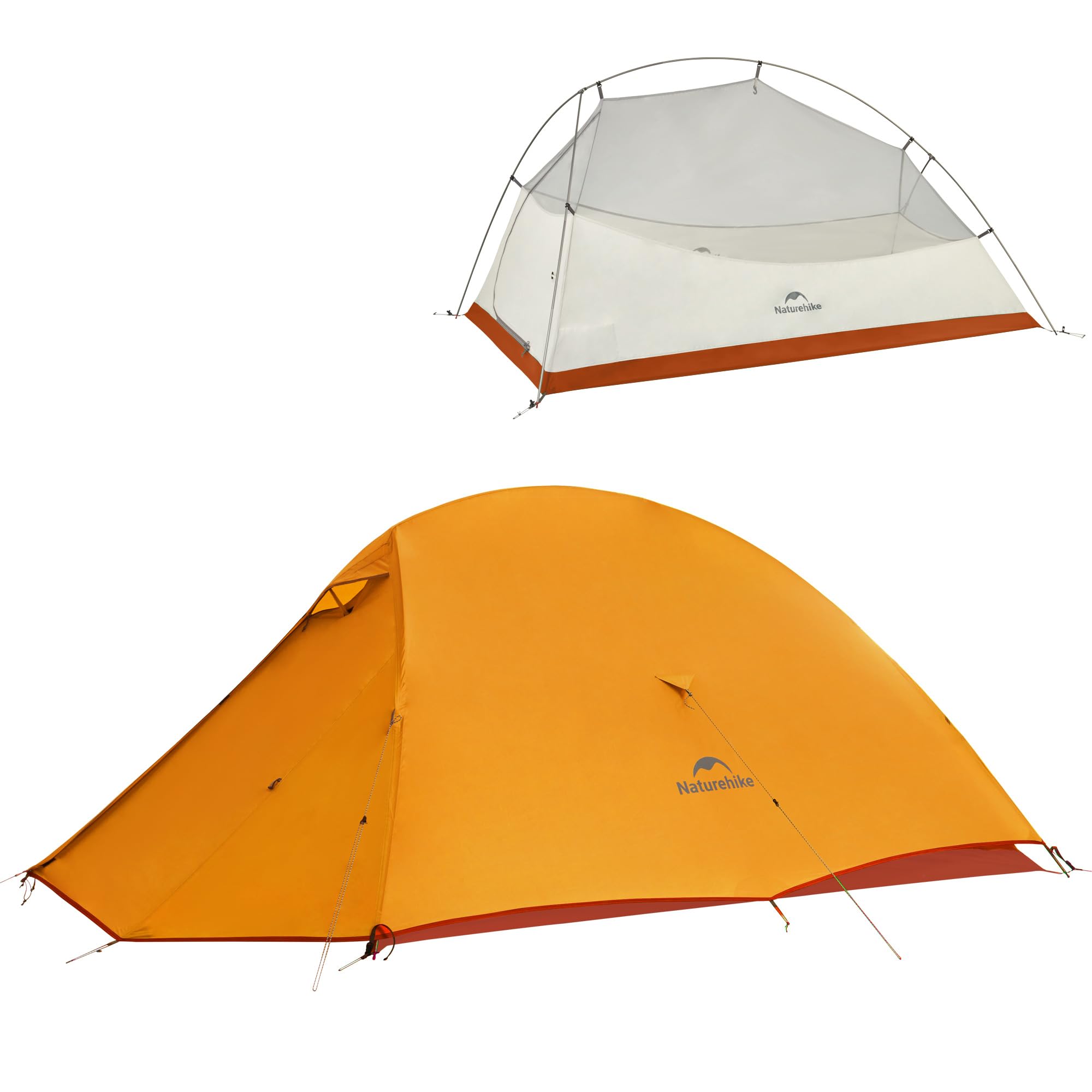
The Cloud-Up 2P starts with a 4.3-pound trail weight and a floor that measures 82.7 by 51.2 inches, with a 41.3-inch peak. Naturehike also includes a fitted footprint, a detail many tents at this end of the market leave out. The coated 210T polyester fly carries a 3000mm rating, and the two-pole frame is designed for a fast clip-and-go pitch.

What makes it our top pick is the balance of carried weight, weather protection, and a complete kit. It is not the lightest tent here—the Star Trail undercuts it by a pound and a half—but it gives up far less in usable space, and the included footprint protects a floor that will see plenty of abrasive campsites. We kept coming back to it because it feels like a full tent rather than a weight-saving exercise.

The pitch is simple to repeat: two aluminum poles, color-coded clips, and a fly that goes on without a wrestling match. We found the vent above the door useful on still nights, and the single vestibule has enough room for two packs if you stack them carefully. The 51.2-inch floor takes two regular sleeping pads, though two wide pads will touch the walls.

Durability is ordinary for the class rather than exceptional—210T polyester, aluminum poles, and a floor that benefits from the included footprint. That is the right trade for a tent at this weight. The complete kit is the detail that keeps it at the top: there is no separate footprint to forget at home.

Pros

  • Complete kit includes fitted footprint
  • 4.3-pound trail weight
  • 3000mm coating and full rainfly
  • Quick two-pole pitch

Cons

  • One door and vestibule limit shared exits
Our verdict

The Cloud-Up 2P is the backpacking tent we recommend first: light enough to carry, weather-ready, and easy to live with for two.

Check Latest Price
2

Best Two-Door Value

Clostnature 2P

90 /100
Angler Score Outstanding

Key details

Floor Size
86.6" x 59"
Peak Height
45.3"
Trail Weight
4.5 lb
Waterproof Rating
5000mm
Check Details on Amazon

Two doors and two vestibules at the value end of this group are the reason the Clostnature earns its place. We think it is the better choice for two campers who want to stop climbing over each other on midnight exits, and the 59-inch floor makes that separate-door layout worth more than a spec-sheet footnote.

The floor measures 86.6 by 59 inches with a 45.3-inch peak, which is roomy enough for two regular pads plus a little breathing room. The PU5000 coating is the highest waterproof rating in this set, and the full fly and taped seams give it a reassuring storm-ready feel. At 5.3 pounds packed, it is a tent one person notices on the trail.

Split between two packs, that weight is reasonable, and the two-aluminum-pole frame goes up quickly. We liked the dual vestibules for wet boots and muddy packs; they keep the mess out of the sleeping area. The 45.3-inch peak leaves enough headroom for most adults to sit up.

What separates it from the cheaper two-person tents here is the pair of vestibules: wet packs stay outside, and the sleeping area stays a sleeping area. That is a small luxury on a dry night and a genuine relief when the weather turns.

Pros

  • Two doors and two vestibules
  • 59-inch floor is roomy for two
  • 5000mm waterproof coating
  • Quick aluminum-pole setup

Cons

  • Poles and zippers are durability watch points
Our verdict

The Clostnature is our value pick for two campers who want separate doors and a wide floor without moving into premium territory.

Check Latest Price
3

Best Budget Starter

BISINNA 2P

92 /100
Angler Score Outstanding

Key details

Floor Area
31.64 sq ft
Peak Height
47.2"
Packed Weight
4.7 lb
Waterproof Rating
2000mm
Check Details on Amazon

The first thing that stands out about the BISINNA is how much tent it gives you at the least expensive end of this group. The floor area is listed at 31.64 square feet, the peak reaches 47.2 inches, and there are two doors—not a single door with a vestibule pretending to be a second entrance.

The weather package is more modest. The fly carries a 2000mm rating, the frame is aluminum, and the two-pole pitch is straightforward. At 4.7 pounds packed, it is a little heavier than the top pick, but it is still a realistic carry for short backpacking trips, scout weekends, and first overnights.

Where it earns its spot is as a starter tent that does not feel like a punishment. The two-door layout is genuinely useful when two people share a small space, and the 4.7-pound packed weight is light enough for a short carry. For a first trip in mild weather, it covers the basics.

The 47.2-inch peak is the detail most people notice on a wet morning, when sitting up to dress matters more than another ounce shaved. It is not a four-season shelter, but it makes a first backpacking trip feel less like roughing it.

Pros

  • Two doors at a budget price
  • Generous 47.2-inch peak height
  • 31.64 square feet of floor area
  • Straightforward aluminum-pole setup

Cons

  • No footprint included
  • Rainfly can flap in gusty weather
Our verdict

The BISINNA is our budget starter pick: a roomy two-door tent that covers the basics for short trips, provided you keep it out of exposed weather.

Check Latest Price
4

Best Brand-Name Beginner

Kelty Grand Mesa 2P

88 /100
Angler Score Excellent

Key details

Doors
1
Floor Area
30 sq ft
Trail Weight
4 lb
Waterproof Rating
3300mm
Check Details on Amazon

The Grand Mesa is the familiar-name option in this group: a simple one-door, two-pole tent with a 3300mm fly, aluminum poles, and Kelty's limited warranty. It weighs 4.8 pounds as delivered and 4 pounds in its minimum trail configuration, so it sits in the middle of the carry range rather than at either extreme.

What sold us is the combination of a 3300mm fly, taped seams, and aluminum poles. That is the weather protection we want in a first backpacking tent, and it is the reason to choose it over the cheapest tents here. The 30-square-foot floor is the part to check, because it is best for one person plus gear or two very friendly adults.

The 43-inch peak and twin interior pockets make the small floor easier to live in. We liked the simple layout for one person plus gear; there is room for a pad and a pack without the tent feeling like a palace. The one-door design keeps the pitch clean and the weight down.

The Quick Corners are the detail that makes a dusk arrival less of a gamble: the poles stay upright while you clip the body, so you are not chasing the frame across the campsite. The limited warranty and straightforward pole set are the long-game advantages.

Pros

  • 3300mm fly with taped seams
  • Kelty Quick Corners simplify pitching
  • Aluminum poles and limited warranty
  • 4-pound minimum trail weight

Cons

  • 30-square-foot floor is tight for two
  • One small vestibule
Our verdict

The Grand Mesa is the brand-name beginner pick: simple to pitch, decent in weather, and backed by a limited warranty.

Check Latest Price
5

Best for Cold Weather

OneTigris Stella 2P

90 /100
Angler Score Outstanding

Key details

Floor Size
82.7" x 49.2"
Peak Height
45.2"
Trail Weight
4.8 lb
Waterproof Rating
3000mm
Check Details on Amazon

A four-season tent that weighs 4.8 pounds is unusual enough to stop us at the shelf. The Stella uses a 20D nylon outer with a 3000mm coating, a mesh inner, and a removable blackout shell that lets you change how much warmth and darkness the tent holds.

The 82.7 by 49.2-inch floor and 45.2-inch peak make it a true two-person shelter, though not a palace. The four-pole frame is designed for a fast pitch, and the 3000mm fly has enough coverage for snow and driven rain. We noticed the blackout outer does more than darken the interior; it adds a layer against cold.

Ventilation is the trade. In mild, still weather the shell holds warmth and moisture, and condensation can build; in cold weather that same quality is why the tent works. The 49.2-inch floor is snug for two adults, and the interior is best treated as sleeping space rather than a gear room.

We see the Stella as the tent for shoulder-season and winter trips where warmth matters more than airflow. It is not the tent we reach for in a muggy July forecast, but it is the one that makes a cold, wet morning feel survivable. The removable blackout outer is the difference between a winter-only tent and one you can strip down for a summer night.

Pros

  • Four-season warmth at 4.8 pounds
  • Removable blackout outer shell
  • 3000mm waterproof coating
  • Fast four-pole pitch

Cons

  • Tiny vestibules leave packs inside
Our verdict

The Stella is our cold-weather pick: a four-season shelter that stays warm, pitches fast, and weighs less than most of its peers.

Check Latest Price
6

Best for Couples With Gear

Marmot Crane Creek 2P

90 /100
Angler Score Outstanding

Key details

Doors
2
Floor Area
32 sq ft
Vestibules
2
Packed Weight
5.3 lb
Check Details on Amazon

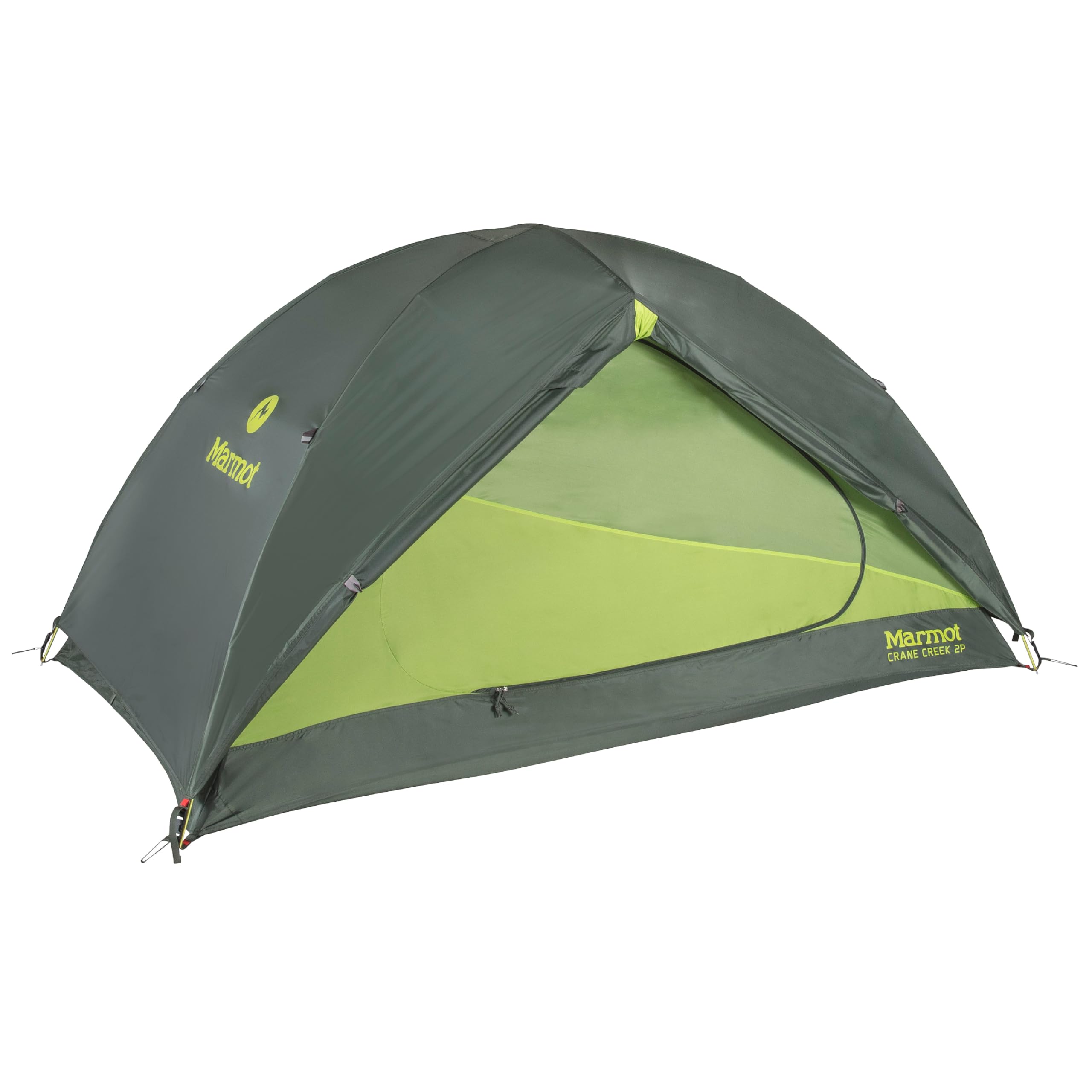
The Crane Creek is the two-person tent we point to when both sleepers want their own door and a place for boots. Two doors and two vestibules change the morning routine: no crawling over a partner, no pile of wet gear in the sleeping area.

The 32-square-foot floor and 43-inch peak give it a roomy feel for its class, and the seam-taped polyester fly is built to shed weather rather than just meet it. Two vestibules keep wet gear out of the sleeping area, which matters more than another ounce when the forecast turns.

The 7000-series aluminum frame and taut fly give it a solid feel in wind, and the two-door layout is worth the weight for couples. We liked the simple clip setup and the way the vestibules keep the interior organized.

The lifetime warranty is the practical reason it stays on our list for a tent that will see a lot of car-to-trail weekends. It is the tent we choose when the trip is more about comfortable nights than a fast-and-light push.

Pros

  • Two doors and two vestibules
  • 32-square-foot floor feels roomy
  • Seam-taped weather protection
  • Limited lifetime warranty

Cons

  • Packed weight is high for long carries
  • Fabric and stitching durability is inconsistent
Our verdict

The Crane Creek is the best choice here for couples who want two doors, two vestibules, and a roomy place to wait out weather.

Check Latest Price
7

Best Solo for Tall Campers

camppal Solo 1P

86 /100
Angler Score Excellent

Key details

Floor Size
98.4" x 35.4"
Peak Height
35.4"
Trail Weight
3.8 lb
Waterproof Rating
4000mm
Check Details on Amazon

The camppal's 8.2-foot floor is the first thing to notice. That length is aimed at taller solo campers, and it leaves room at the foot for a pack or a pair of boots without turning the tent into a two-person shelter.

The single aluminum ridge pole and sleeve pitch in about three minutes, and the 4000mm coating is the highest waterproof rating among the solo tents here. At 3.8 pounds, it is light enough for a solo carry and still has a four-season label.

That length is why we recommend it for taller solo campers. A six-foot sleeper will not run out of tent at the head or foot, and the long floor gives you a place to keep a pack out of the weather. The narrow width is the trade: this is a sleeping tube, not a basecamp living room.

The 4000mm coating and full fly are the details that make it more than a summer solo tent. The long floor is the part that earns the four-season label its keep: you can stretch out in a sleeping bag and still keep a pack at your feet.

Pros

  • 8.2-foot floor fits taller sleepers
  • 4000mm waterproof coating
  • 3.8-pound trail weight
  • Quick single-pole setup

Cons

  • Narrow floor limits gear inside
  • Single-pole frame is less stable in strong wind
Our verdict

The camppal is our solo pick for taller campers: an extra-long, well-sealed tent that still carries at under four pounds.

Check Latest Price
8

Ultralight Backpacking

Naturehike Star Trail 2P

82 /100
Angler Score Excellent

Key details

Floor Size
82.7" x 51.2"
Peak Height
41.3"
Trail Weight
2.8 lb
Waterproof Rating
1500mm
Check Details on Amazon

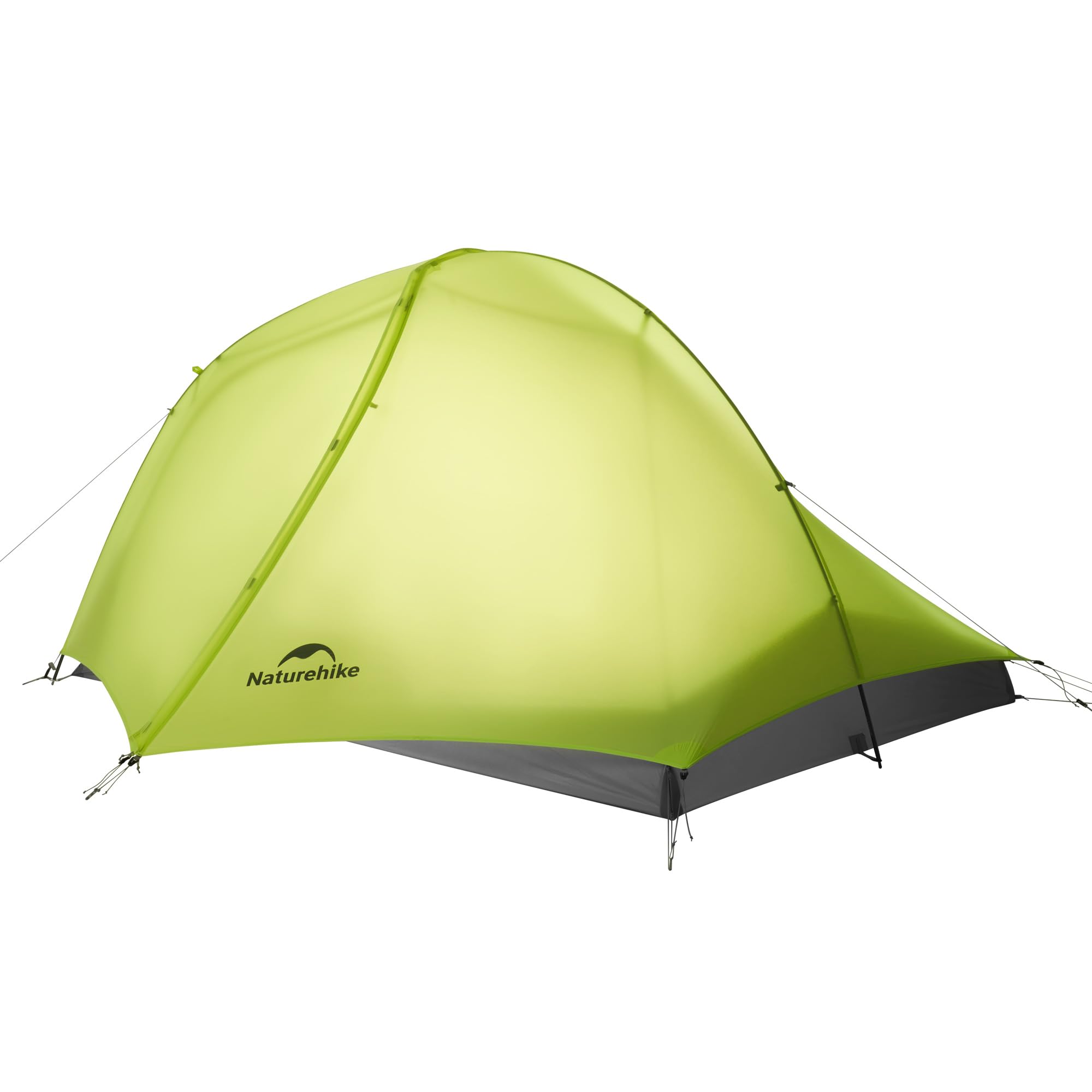
At 2.8 pounds, the Star Trail makes a two-person shelter feel like a solo luxury. It packs to 17.7 by 5.1 inches, uses a 10D nylon fly, and still finds room for two doors—the kind of weight math that matters on a long carry.

The fly carries a 1500mm rating, while the 20D floor gets 3000mm. We noticed the fabric feels thin in the hand, and the 41.3-inch peak is low enough that you sit rather than stand. The two-pole frame goes up in about two minutes, and the dual doors make a narrow floor easier to share.

The 82.7 by 51.2-inch floor is a true two-person footprint, but it is snug once two pads are in. The two vestibules give each sleeper a place for boots, and the full mesh inner keeps airflow moving when the fly is off. The dual doors are a real convenience on a floor this narrow.

We see the Star Trail as a specialist for fast-and-light trips, not a do-everything shelter. It rewards careful packing and a sheltered site, and it punishes a zipper yanked in a hurry. The 2.8-pound number is the whole point; the rest of the tent is built to protect that number, not to shrug off a rough site.

Pros

  • 2.8-pound trail weight
  • Dual doors and two vestibules
  • 3000mm floor coating
  • Quick two-pole pitch

Cons

  • 1500mm fly is light for sustained rain
Our verdict

The Star Trail is for backpackers who count ounces: a true two-person shelter that disappears into a pack, provided you treat thin fabric gently and watch the forecast.

Check Latest Price

How We Chose and Tested Backpacking Tents

We started by pulling together a shortlist of current backpacking tents, filtering out models whose packed weight, floor dimensions, peak height, or fly coverage put them in the wrong lane for three-season backpacking. We read specs and owner feedback, then narrowed to a dozen tents that represented different designs and price points. Over nine months, we pitched each one in the backyard on gusty afternoons, on weekend trips to an exposed ridge, and through one properly rainy overnight.

On every trip, I set each tent up solo and timed the first pitch, then again after practice, noting whether the fly could go on before the inner in rain and whether the poles, clips, and stake loops made sense without instructions. We laid out two regular sleeping pads and two packs to check the fit, and I carried each packed tent in a 50-liter pack to judge portability rather than trusting the listed weight. At camp, we watched how the fabric and fly handled wind, whether guylines stayed taut, and whether condensation collected on the walls or dripped onto sleeping bags by morning.

Durability got checked the unglamorous way: repeated packing, zipper pulls, floor abrasion under pads, pole joints, and seam tape after wet nights. We also compared what came in the box, including stakes, footprint, repair patch, and stuff sacks, against the going rate to judge value, and noted which tents still felt like quality after a season of use. The tents that rose to the top were not always the lightest; they were the ones that set up cleanly, kept weather out, and left us rested enough to hike the next day.

How to Choose a Backpacking Tent

Start With the Weight You Actually Carry

The headline weight is only the beginning. A tent listed at 2.8 pounds can gain stakes, a footprint, and a stuff sack before it goes in your pack, and a 4.3-pound tent with a complete kit can be the easier carry if it replaces a separate footprint purchase. Check whether the number is minimum trail weight or packed weight, because the two answer different questions.

We weigh the whole package, then decide whether one person carries it or two split the load. For most two-person trips, a 4- to 5-pound shelter is a comfortable working range; a solo trip rewards going lighter. The tent that wins on paper is not always the tent that feels best on the second mile.

Match the Floor Plan to Real Sleepers

Two-person tents are sized around sleeping pads, not people and their packs. A 51-inch floor fits two regular pads with almost no margin, while a 59-inch floor gives elbows somewhere to go; the wider tent is the better shared shelter if you sleep with a partner and want to stay friendly. Measure your pads before you buy, then decide where the packs go.

A two-door tent with two vestibules is worth the extra fabric for couples; a solo camper can save weight with one door and a narrower floor. Treat a '2-person' rating as a pad count, not a gear room.

Read Waterproofing With Ventilation

Waterproof ratings help compare fabrics, but they do not tell the whole story. A 3000mm fly with taped seams and a full-coverage pitch can outperform a higher number on a poorly sealed tent, and a 1500mm fly saves weight for trips with a reliable forecast. We check seam taping and fly coverage before we put much faith in a hydrostatic number.

Ventilation matters just as much: a four-season shell that holds warmth in winter can turn muggy in summer. Match the shelter to the season, and plan to open vents or strip the fly when the night is mild.

Choose Doors and a Pitch You Can Repeat

One door is lighter and simpler; two doors are easier to live with when two people share the tent. A second vestibule gives wet packs a home outside the sleeping area, which is often worth more than a few ounces. Pitch effort matters too: color-coded clips, quick corners, and a freestanding frame make a dusk arrival less of a gamble.

We practice the pitch once at home, then again with the fly on, because the second run is where the fiddly parts show up. A tent that goes up cleanly in the rain is worth more than one that saves a few ounces but fights you at camp.

Spend on Durability Where It Counts

Poles, zippers, and floor fabric are the parts that decide whether a budget tent lasts. Aluminum poles are worth having over mystery metal, and a taped, coated floor handles abrasive campsites better than a thin untreated one. We put more value on a complete weather-ready package than on a long feature list, because a failed zipper or a bent pole ends the trip regardless of how many pockets the tent has.

Check the warranty and the return window before you rely on any shelter for a long trip. A lower price often shows up later at the pole joint or zipper, so buy from a seller who will stand behind the tent.

Frequently Asked Questions

Final Verdict

The Naturehike Cloud-Up 2P is the tent we recommend for most two-person backpacking trips because it gets the balance right: low enough weight to carry, a 3000mm fly for real weather, and a footprint in the box. It is not the lightest or the roomiest tent here, but it is the least compromised all-around choice for two people.

The Clostnature 2P is the alternative when two doors and a wider floor matter more than the last half-pound, and the OneTigris Stella is the one to take when cold weather is the point. If every ounce counts, the Star Trail 2P earns its place as a specialist.