Best Overall

OAZ Nylon Repair Patches
Key details
- Material
- Nylon
- Sheet Size
- 7.87" x 5.9"
- Sheets Per Pack
- 8
- Water Resistance
- Waterproof
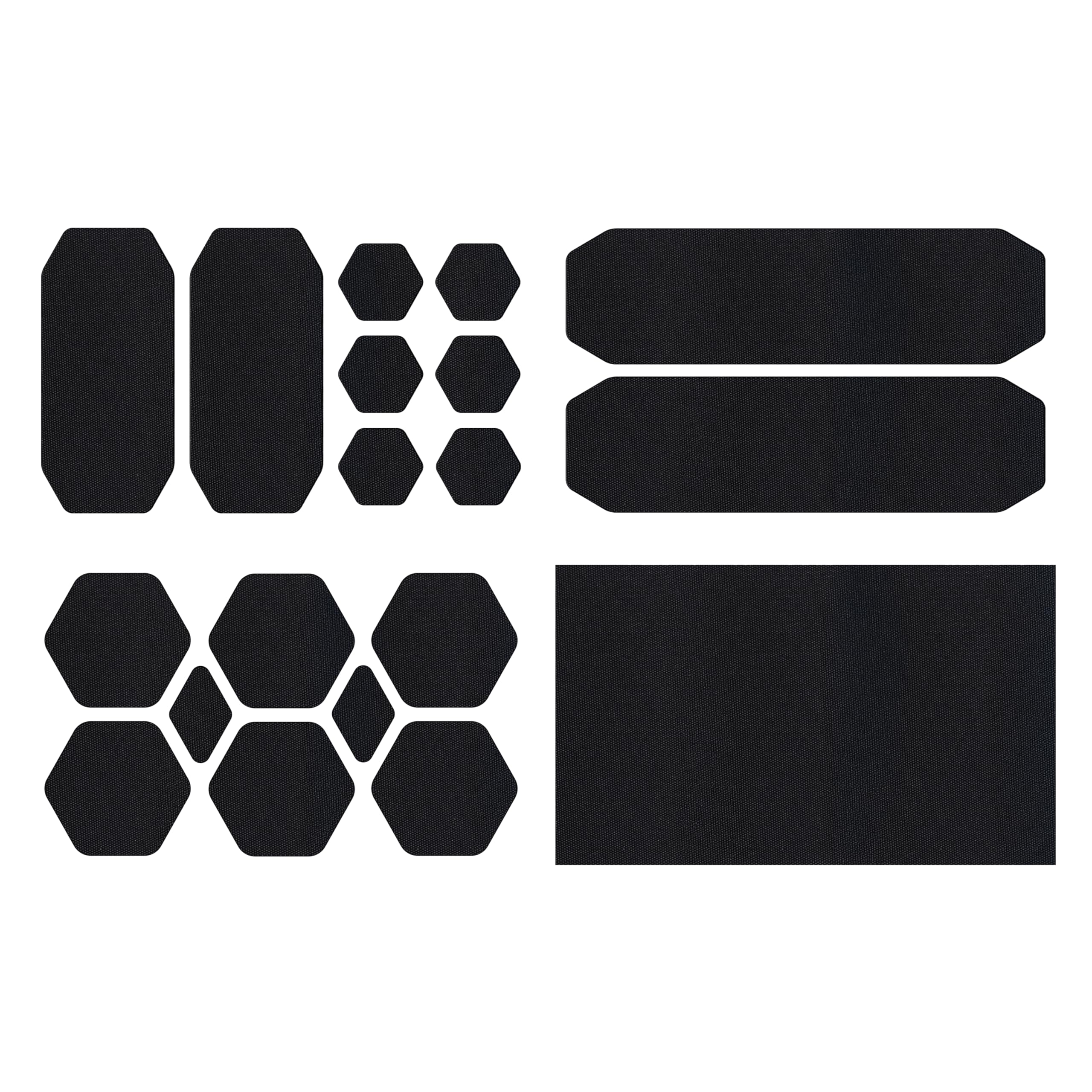
A rip in a tent fly is almost never a neat circle. It's a three-cornered gash, a split that runs along a pole sleeve, or a ragged hole where something sharp went through — and that is the argument for sheets rather than a narrow roll. Each patch measures 7.87 by 5.9 inches with a self-adhesive backing, so you can cut a shape that follows the damage and still leaves a full inch of overlap on every side.
Eight sheets is the other half of the appeal. We got several repairs out of a single sheet by cutting around the tear rather than over it: a rectangle for the gash, a strip for a scuffed seam, and enough left over for a pinhole in a footprint. The nylon is thin and the waterproof coating sits on the face, so a patch on a fly stays flat when the tent is rolled instead of standing up like a scab.
Application is as simple as this category gets: cut, peel, press. The one technique worth adopting is rounding the corners with your scissors before you peel, because a square point is exactly where a patch starts to lift. Press from the middle outward and work the edges down with a thumb.
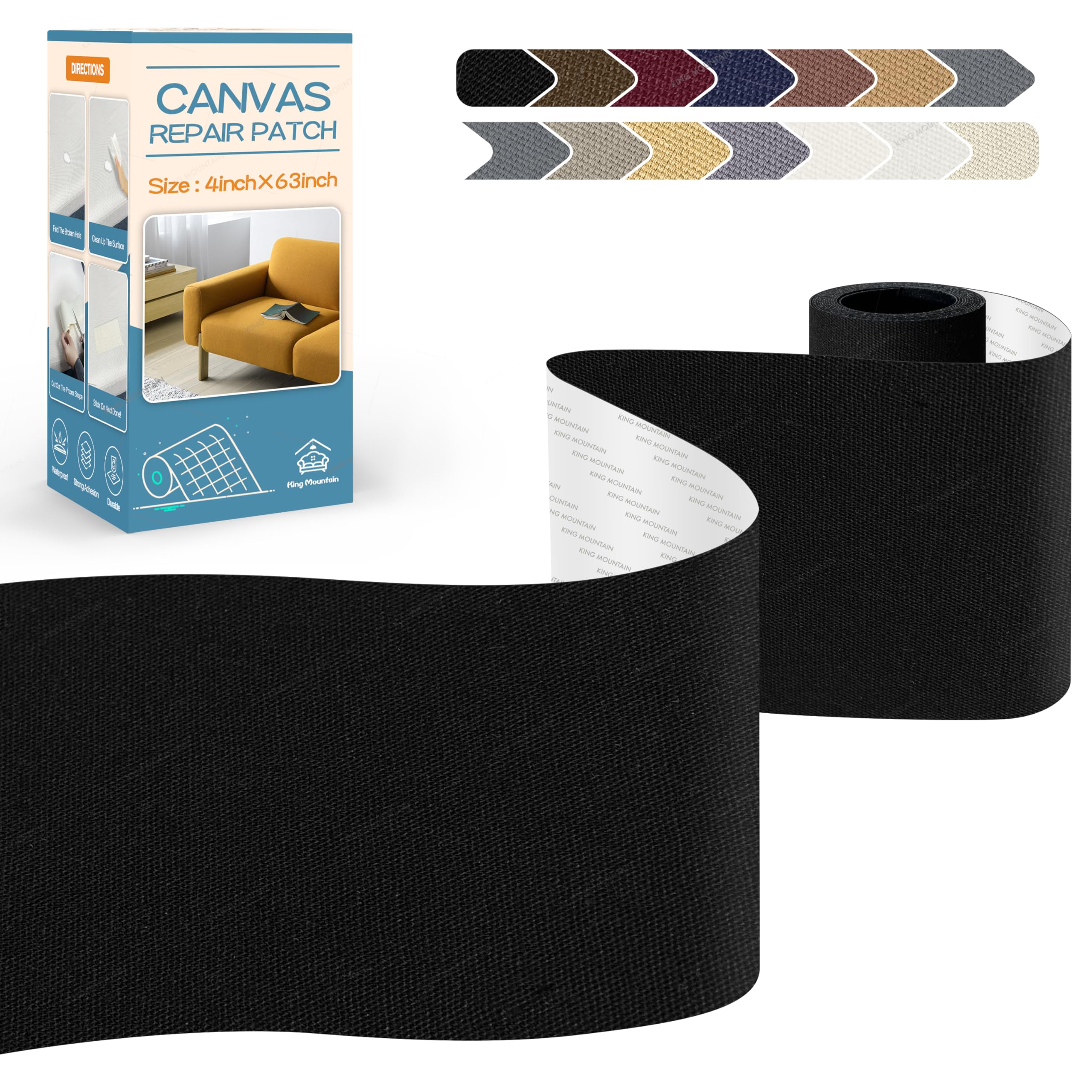
Black is the catch. On a dark green or charcoal tent the patch vanishes; on a pale sand or light gray fly it reads as a black rectangle, and black is the only color this one comes in. That is a cosmetic cost rather than a functional one, and it doesn't change our recommendation: eight waterproof nylon sheets big enough for a real tear, with enough of them to keep a couple back for the next trip.
Pros
- Eight large sheets cut to any shape
- Waterproof nylon stays flat on a fly
- Peel and press, no heat or sewing
Cons
- Black only, obvious on pale tents
Our default for a torn tent: eight waterproof nylon sheets big enough to cut a patch that matches the tear instead of tiling a narrow roll.